
Varanasi
The World’s Oldest Living City
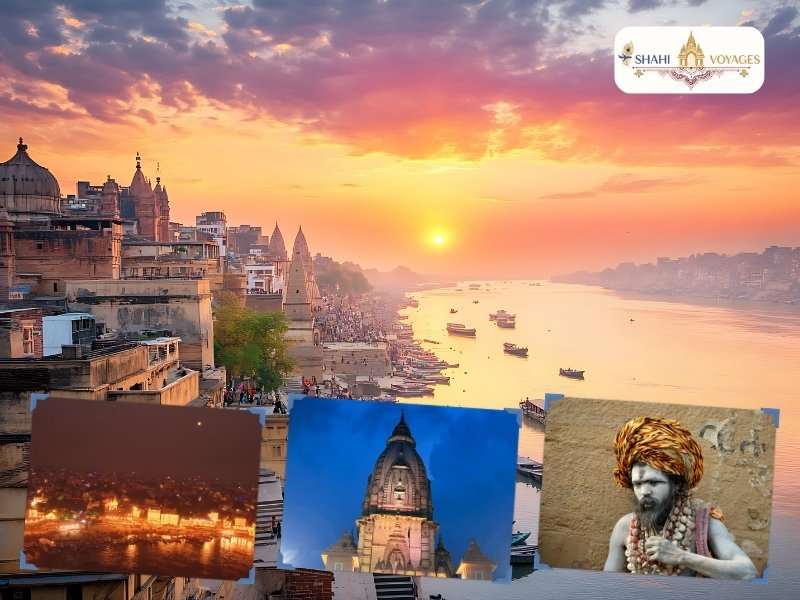
Varanasi is one of the oldest continuously inhabited cities in the world. Life here unfolds around the river Ganga, where spirituality is not an event but a daily reality.
Experience
- Sunrise boat ride on the Ganga
- Daily rituals on the ghats
- Narrow lanes where faith and trade coexist
- Traditional silk weaving communities
- Home-style meals and local neighborhoods
- Varanasi explains India’s understanding of life, death, time, and continuity.
Ayodhya
Faith Rooted in Simplicity
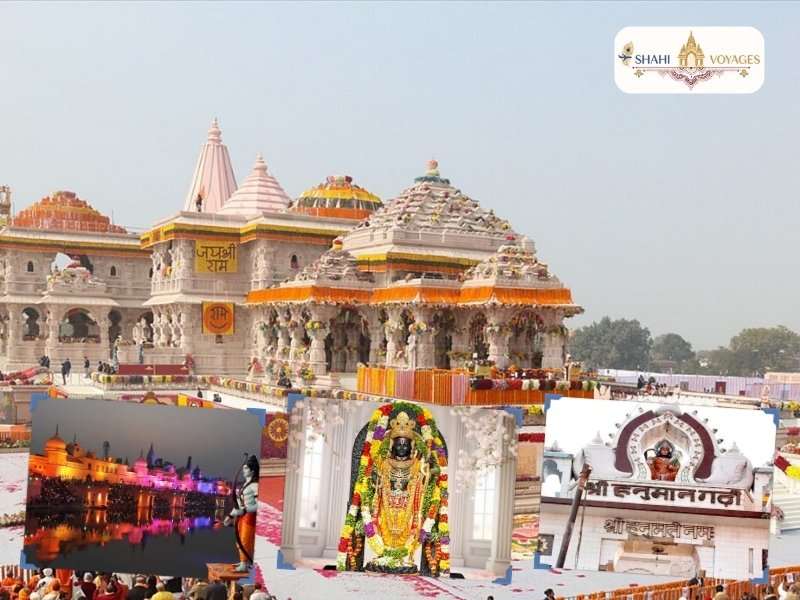
Ayodhya is associated with Lord Rama and the idea of ethical living. The city reflects calm devotion, moral values, and community life.
Experience
- Sarayu River and peaceful ghats
- Ancient temples and ashrams
- Rural surroundings and traditional neighborhoods
- Daily prayers and quiet rituals
- Ayodhya offers a reflective understanding of how faith shapes social values.
Prayagraj
Sacred Rivers and Inner Discipline
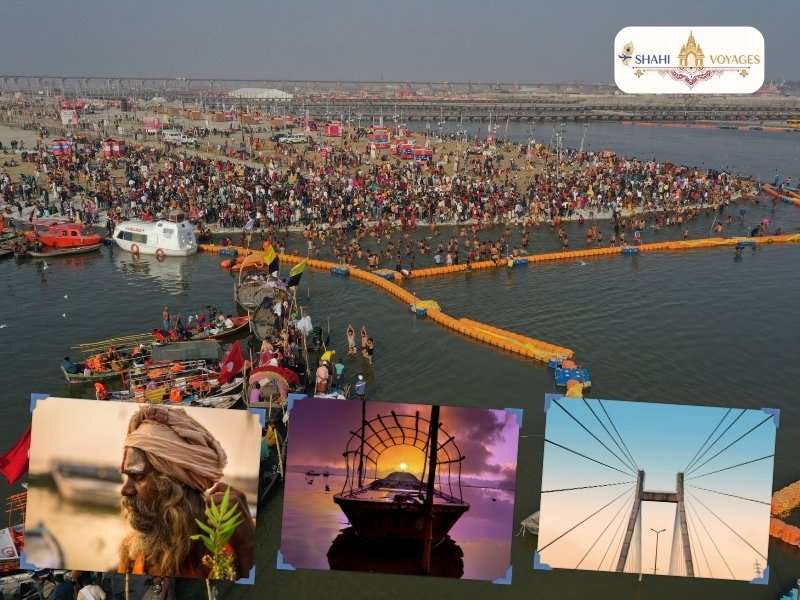
Prayagraj is the meeting point of the Ganga, Yamuna, and the mythical Saraswati.
Experience
- Triveni Sangam (sacred confluence)
- Quiet riverbanks and less-crowded ghats
- Interaction with pilgrims and locals
- River-based rural livelihoods
- Prayagraj represents balance — between ritual and silence, belief and discipline.
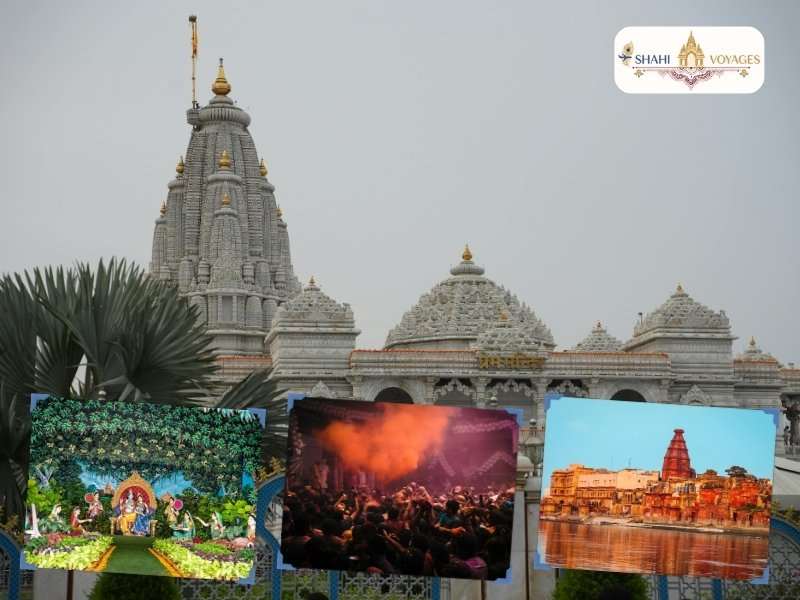
Vrindavan
Living Devotion and Community Life
Vrindavan is associated with Lord Krishna and devotional traditions filled with music and service.
Experience
- Temples and ashrams centered on devotion
- Bhajans and kirtans as part of daily life
- Community meals and service-based living
- Villages where folklore is still sung
Vrindavan shows spirituality as joyful, musical, and community-driven.
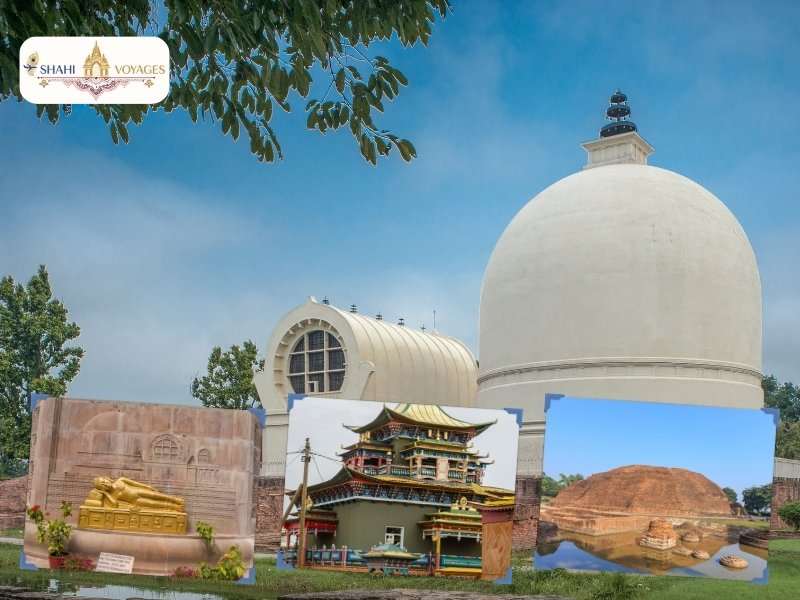
Kushinagar
Buddhist Peace and Universal Values
Kushinagar is where Lord Buddha attained Mahaparinirvana, making it one of the most sacred Buddhist sites in the world.
Experience
- Mahaparinirvana Temple
- International Buddhist monasteries
- Meditation and reflection spaces
- Conversations with monks
Kushinagar offers calm, introspection, and universal understanding.
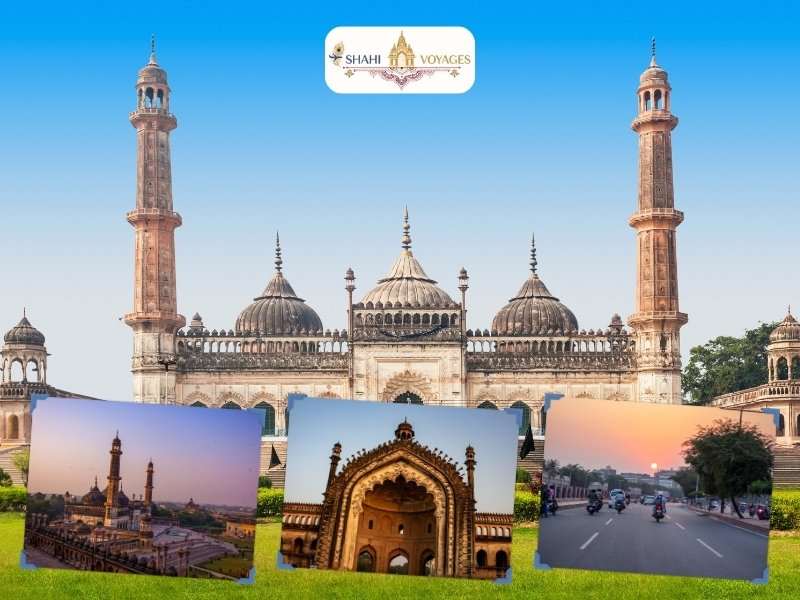
Lucknow
Culture, Language, and Refined Living
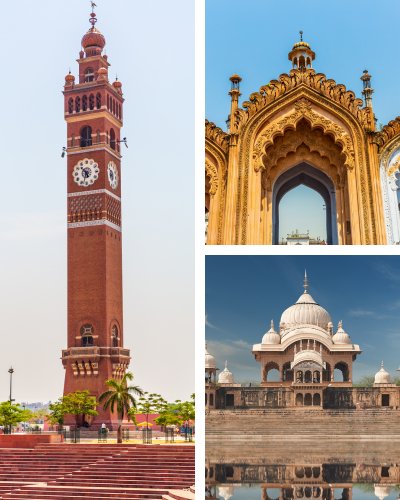
Lucknow represents North India’s cultural elegance, often described as tehzeeb (refined manners).
Experience
- Old neighborhoods and traditional homes
- Awadhi language, etiquette, and storytelling
- Authentic cuisine and cooking traditions
- Arts, crafts, and everyday cultural interaction
Lucknow shows how tradition and modern life coexist gracefully.